Massages & treatments
How to Choose the Right Massage Therapist: Questions to Ask
Not sure which massage therapist to trust? These questions about training, technique and health checks help you book the right session first time.
By touch of balance5 min read
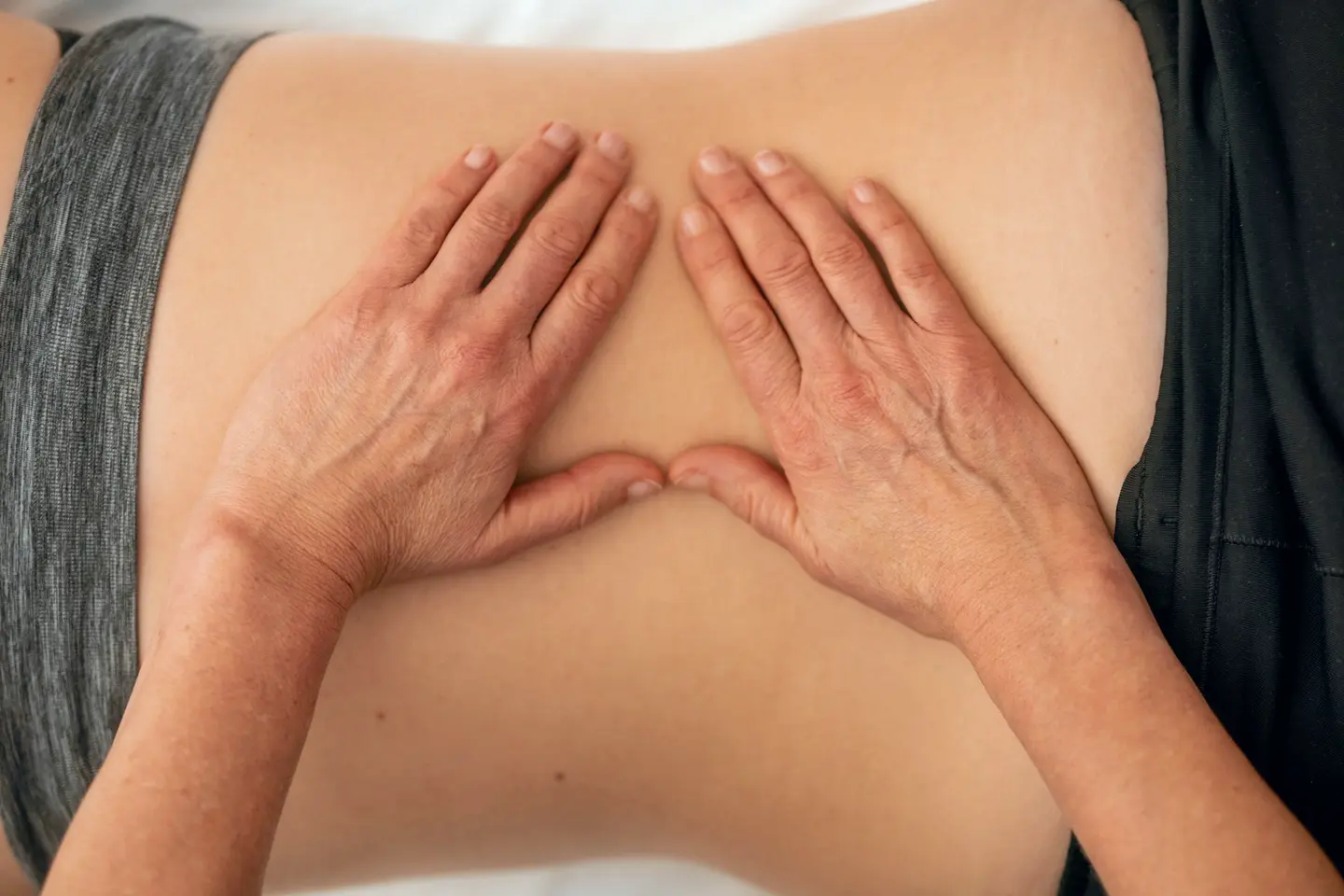
To choose the right massage therapist, ask about their training, which techniques they practise, how they assess your body first, and what they'll do if the pressure doesn't suit you. A good specialist answers clearly, asks about your health in return, and matches the treatment, from deep tissue work to a warm herbal compress, to your goal.
What questions should you ask a massage therapist before booking?
Most people book based on photos and a price. A few minutes of conversation tells you far more. Here's what we'd ask if we were in your position:
- Ask where they trained and which certification they hold, because a well-trained therapist will answer without hesitation.
- Find out which techniques they practise most, since someone who claims to master everything rarely goes deep in anything.
- Check that they take a health history, including injuries, medication, pregnancy and recent surgery.
- Request a clear answer on what happens if the pressure feels wrong, and expect them to say they'll adjust as soon as you speak up.
- Compare session lengths and what a full-body treatment covers, so you're weighing like with like.
- Listen for whether they'd recommend a different treatment if yours isn't suitable that day.
That third question matters more than it looks. Massage is generally considered safe, but certain health conditions call for caution or a doctor's opinion first [1]. A specialist who never asks isn't being relaxed. They're being careless.
For our part, the team at touch of balance trained at a fitness academy in Berlin under experienced teachers and holds a top certification as a wellness expert. Ask us about it. We're happy to explain.
Is price the most important thing when choosing a massage?
Actually, no. Price is usually the first thing people ask about, and it's the wrong place to start. Begin with fit: is this technique, at this pressure, right for what your body needs now? A cheaper session that misses the problem costs you twice, once when you pay and again when you book somewhere else the following week.
Here's how the most common options compare:
| Treatment | Best for | Typical pressure | When to skip it |
|---|---|---|---|
| Relaxation massage | Stress, poor sleep, first-timers | Light to medium | When one stubborn area needs focused work |
| Deep tissue or sports massage | Chronic tension, heavy training | Firm and targeted | Right after an acute injury or with clotting risks |
| Thai herbal compress | Stiffness, fatigue, people who love warmth | Medium, with heat | If you're sensitive to heat or allergic to herbs |
The herbal compress is the oldest Thai therapy we offer. It has been practised for over 400 years and uses warm compresses filled with natural ingredients, pressed and rolled along the muscles. For transparency, prices at touch of balance start from 65€, and an 80-minute full-body session costs 110€. Compare minutes, not just totals.
How can you tell after the first session if a therapist is right for you?
Good therapists listen before they touch. Did they ask what you wanted, or did they just start?
Picture a typical case. Someone books a deep tissue massage, convinced their shoulders are the whole problem. A few questions about desk work and sleep point instead to a tight chest pulling everything forward, so the session shifts toward opening the front of the body rather than grinding away at the back. That one conversation changes the result.
If you walk out feeling that the therapist heard what you said, explained what they found, and gave you one or two simple things to do at home before your next visit, you've probably found the right person. Vague answers are a warning sign. So is a session that felt identical to the last three you've had elsewhere.
Try this: the day after your appointment, note how you slept, how you moved that morning, and whether anything was explained to you. Those three notes tell you more than any online review. Before you book, it helps to read up on how to prepare for your first visit, and our guide to what happens during a massage appointment walks you through each step.
FAQ
How do I know if a massage therapist is qualified?
Ask directly where they trained and what certification they hold. A qualified therapist answers easily and can explain what their training covered. Look for someone who also takes a health history before treatment, because careful questions at the start usually reflect proper training. If answers feel vague or defensive, keep looking.
Should I tell my therapist about health conditions?
Yes, always. Mention injuries, recent surgery, pregnancy, medication, skin conditions and anything involving blood pressure or circulation. Some conditions simply mean adjusting pressure or position, while others need a doctor's opinion first. Your therapist can't adapt the session to something they don't know about, so share more rather than less.
What should I do if the pressure is too strong?
Say so straight away. A good therapist expects feedback and adjusts immediately without making you feel awkward. Firm pressure shouldn't mean sharp pain or holding your breath. If you're tensing up to cope, the muscles can't release, and the session works against you instead of for you.
How long should my first massage be?
For most people, a full-body session gives the therapist enough time to assess you and still treat properly. At our practice, full-body sessions run from 60 to 90 minutes. Shorter visits suit a single focus area, while longer ones allow slower, deeper work. Tell us your goal and we'll suggest a length.