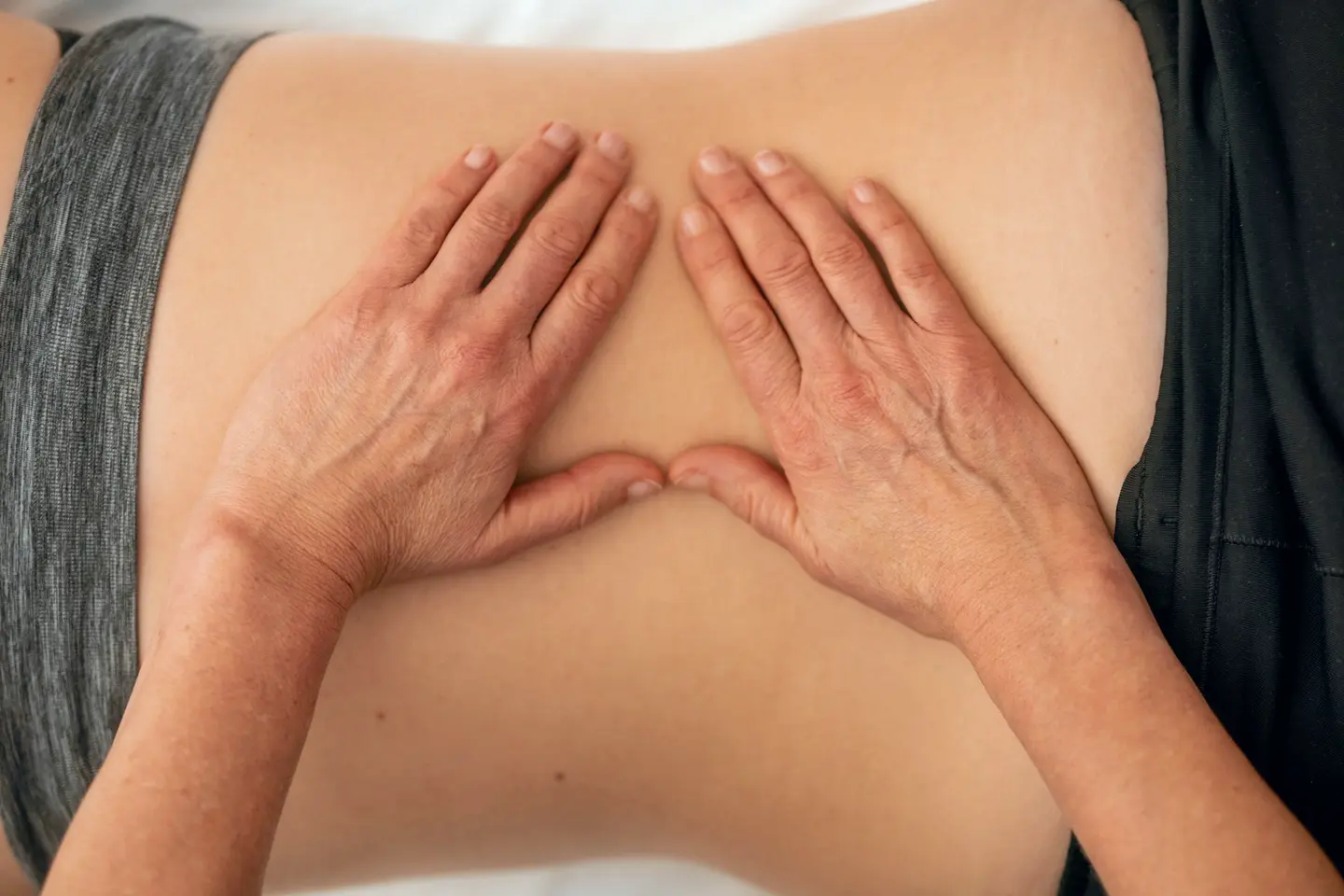
Massages & treatments
What to Expect at a Thai Massage Appointment, Step by Step
From the first chat to warm herbal compresses and aftercare, here's what really happens at a Thai massage appointment. Book feeling calm and prepared.
By touch of balance5 min read
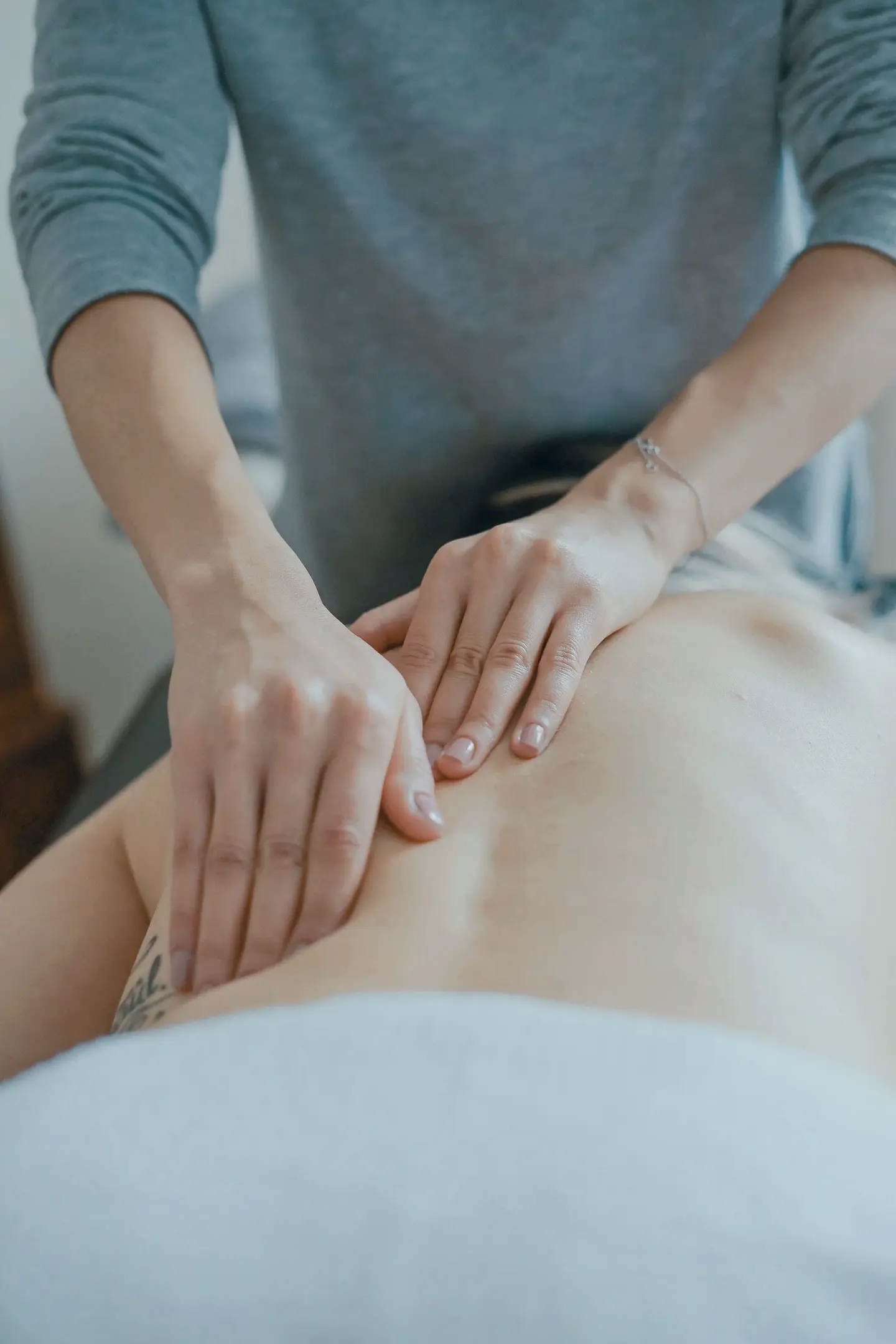
At a Thai massage appointment, you can expect a short conversation about your health and goals, a quiet room, comfortable clothing or draping, and a full-body session of pressure, stretching or warm herbal compresses, depending on the treatment you book. Sessions usually run 60 to 90 minutes, and you leave with simple aftercare advice.
What happens when you arrive for a massage appointment?
Arrive a few minutes early. Rushing in from traffic with your shoulders up by your ears means the first ten minutes go to just landing, and that's time you've paid for. At touch of balance, we start with a short conversation before anyone touches a muscle.
We'll ask where you feel tension, what you do all day, and whether anything hurts in a sharp or unusual way. Please tell us about injuries, pregnancy, blood pressure, skin conditions or medication. General health guidance recommends sharing conditions like these with your massage therapist before treatment [1], and it changes how we work. If this is your first time, our guide on how to prepare for your first visit covers clothing, meals and timing in more detail.
Then we show you the room, explain what to wear or remove, and step out while you get comfortable.
What happens during a Thai herbal compress session?
The herbal compress is the oldest Thai therapy, practiced for over 400 years. Cotton bundles filled with natural herbs are warmed and pressed along the body in slow, rhythmic movements. Here's how a typical full-body session flows:
- We check the temperature of each compress on our own skin before it touches yours.
- Your back and shoulders usually come first, because that's where most people carry the day.
- The warm compress is pressed and rolled along muscles, with lighter contact over bony areas.
- Hands-on pressure and gentle stretching may follow on the legs, arms and hips.
- We check in about pressure and heat, briefly, so you don't have to break the calm.
- The session closes slowly, giving you a minute or two before you sit up.
A common scenario: someone books expecting the deepest, most painful pressure possible, braced for it. Halfway through, the warmth has already done what force alone wouldn't, and they ask us to go lighter. Most people assume more pressure means better results. Actually, it often doesn't. Muscles that feel threatened tighten up, while warm, steady contact tends to let them release. Say so if anything's too much. We won't be offended.
How long should your massage appointment be?
Choose the length based on what you want to address, not on what sounds most indulgent. Full-body sessions at touch of balance start from 75€, with appointments running from 60 to 90 minutes, and our 80-minute full-body session is 110€.
| Session length | Best for | What fits in | Consider another option if |
|---|---|---|---|
| 60 minutes | A first visit or regular upkeep | A full-body session at a steady pace | You have one area that needs long, focused work |
| 80 minutes | Stubborn tension in back, neck or hips | Full body plus extra time on problem areas | You're tight on time and can't rest afterwards |
| 90 minutes | Deep rest and slower, unhurried work | Full body with longer compress and stretching phases | It's your very first massage and you're unsure how you'll respond |
Not sure? Start shorter.
What should you do after your massage?
Stand up slowly. Many people feel a little light-headed or deeply relaxed after warm herbal work, so give yourself a few minutes before driving or heading back to a busy desk. Massage is widely used to ease stress and muscle tension [2], and that effect lasts longer when you don't sprint straight into the next obligation.
Try this: drink a glass of water, take a short walk, and skip the intense workout for the rest of the day. Some tenderness the next day is normal after deeper work, a bit like the feeling after a good stretch. Sharp or lasting pain isn't, and you should tell us about it.
Why not book your next appointment while the effects are still fresh in your mind? You'll remember exactly which areas responded and which still need attention. If you're comparing practitioners before you commit, our article on questions worth asking a massage specialist can help you decide who fits you best. Our training ended in a top-level certification as wellness experts, and we're happy to answer those questions in person.
FAQ
What should I wear to a Thai massage appointment?
Wear comfortable, loose clothing that's easy to move in. For herbal compress and oil-based work, we explain beforehand what to remove and provide draping so only the area being treated is uncovered. Leave jewellery at home if you can. You stay in control of your comfort the whole time, so ask whenever anything is unclear.
Does a herbal compress massage hurt?
It shouldn't. The compresses are warm, not hot, and we test the temperature before every application. Pressure is adjusted to you, and we'll check in during the session. Some areas may feel tender if they hold a lot of tension, but sharp pain is a signal to stop or ease off, so tell us right away.
Can I get a massage if I have a health condition?
Often yes, but tell us first. Pregnancy, high blood pressure, recent injuries, skin conditions and some medications can change how we work or whether a treatment suits you right now. If you're unsure, check with your doctor before booking. We'd much rather adapt the session than discover something halfway through it.
How often should I book a massage?
It depends on your goal. For general relaxation, many people come back every few weeks. For stubborn tension from desk work or training, closer sessions at first can help, followed by regular upkeep. We'll suggest a rhythm after your first appointment, based on how your body responded rather than a fixed rule.